352-804-2056
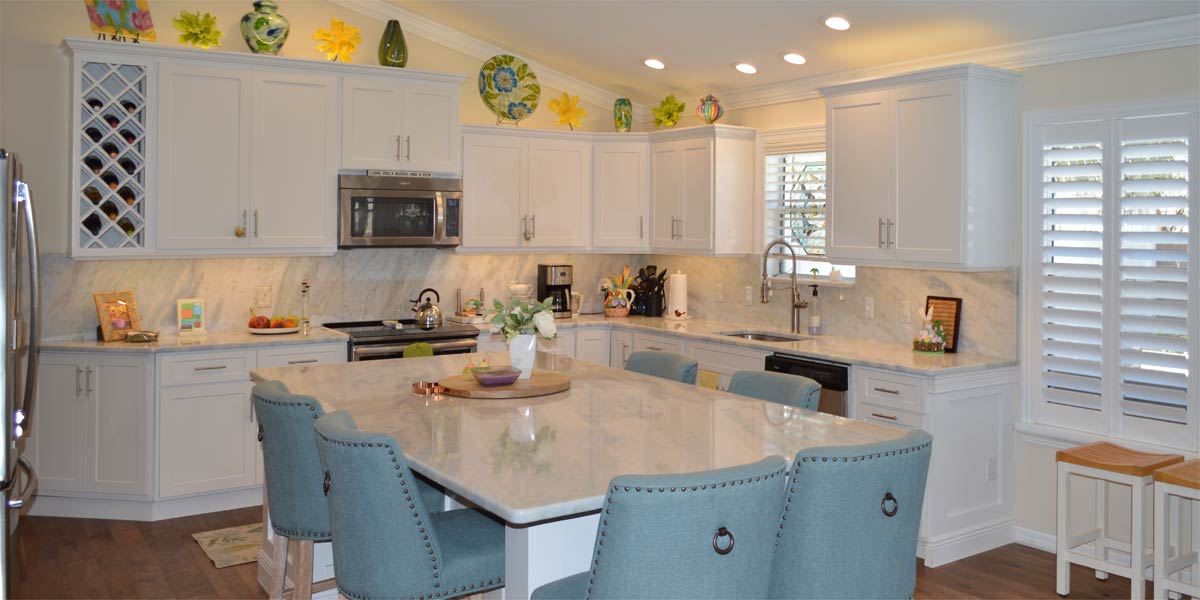



Architecture is Expression
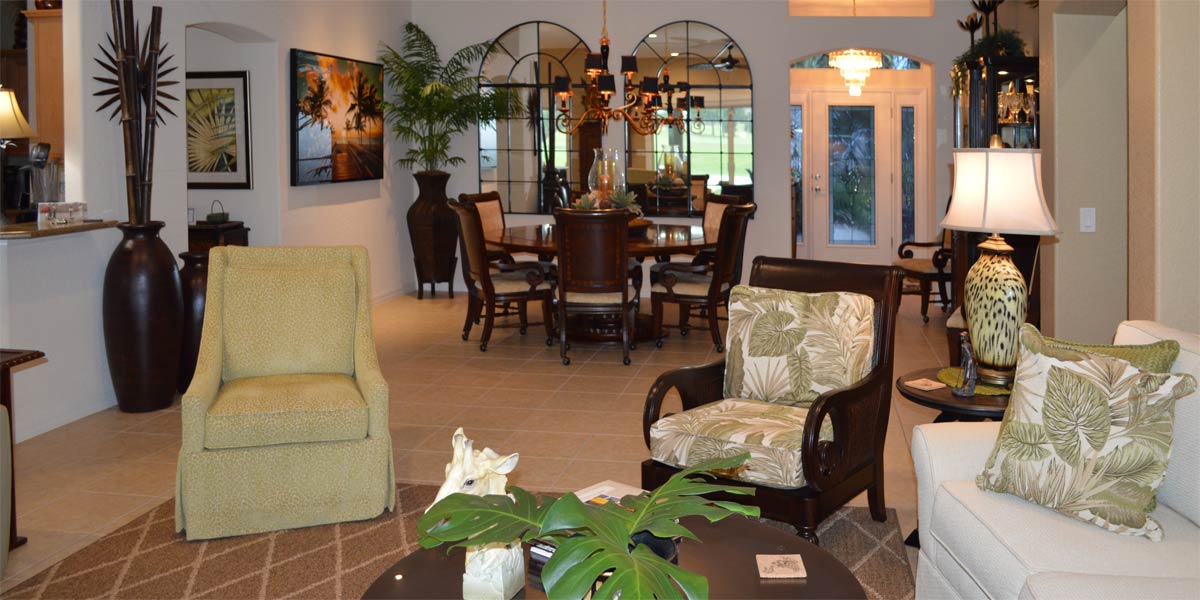
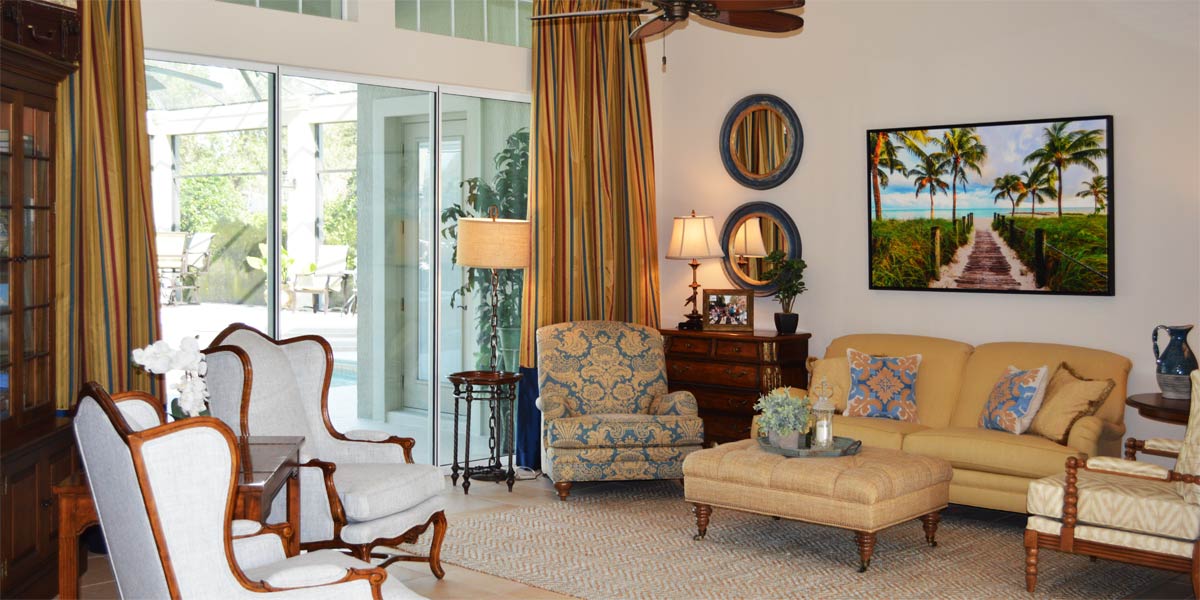
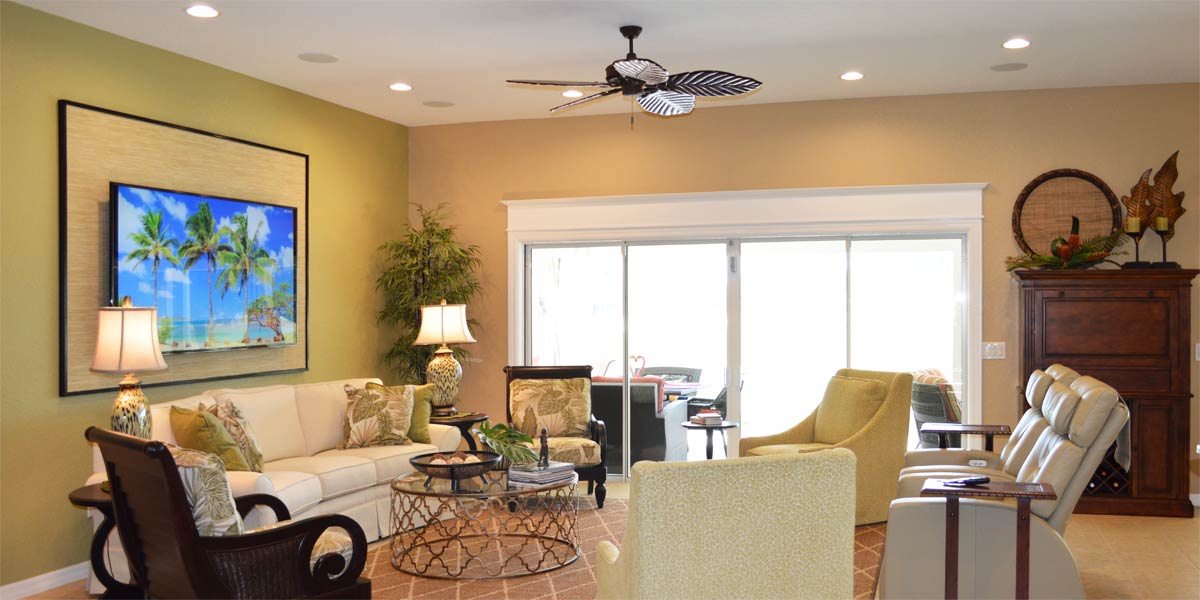
Do you ever look around your house and wonder why your windows do not have trim. Many of my clients who move here from up north mention that their homes always had windows finished with casement molding. In Florida, architectural details and trim work are considered extras, and it is up to the homeowner to add them after the sale or pay the builder’s upgrade price before closing. Architecture has always been a form of personal and cultural expression. It is easy to look at buildings and recognize whether they belong in Italy, France, or Spain. Purchasing a home without architectural detail gives the homeowner an opportunity to shape a space that reflects their own taste through well thought out design choices. Let’s peek into several spaces that have been transformed to reflect the homeowners’ taste through the use of architecture somewhere in the heart of The Villages. •
• Casement Molding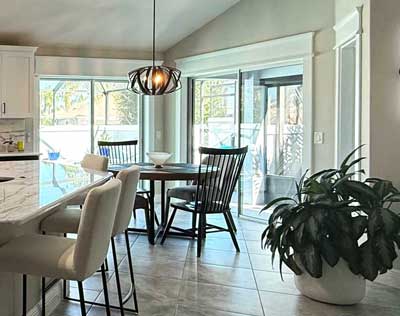
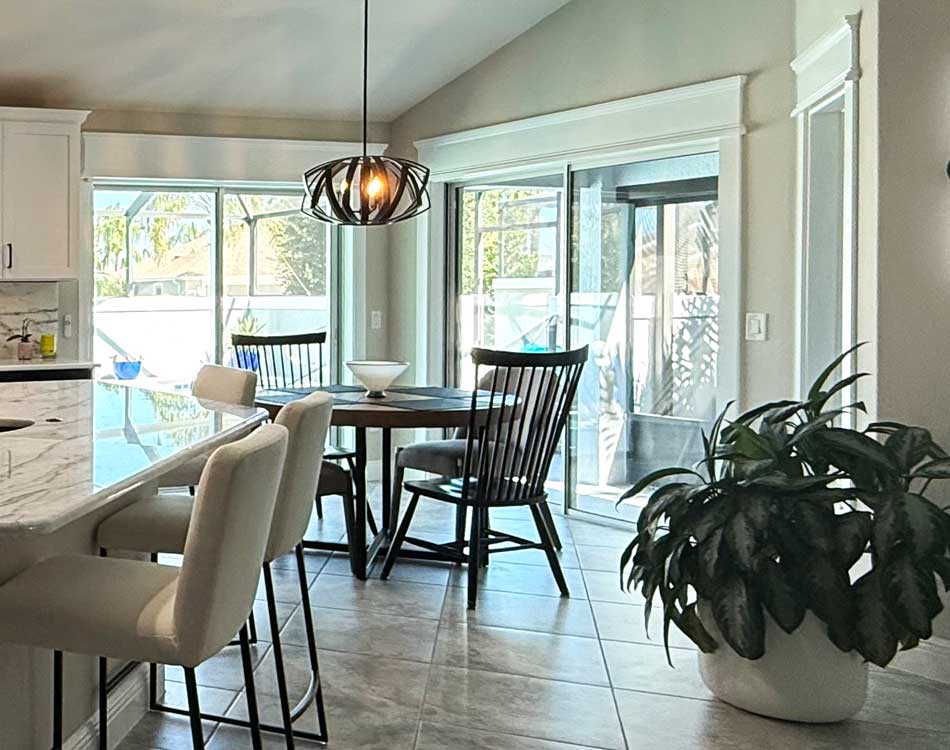
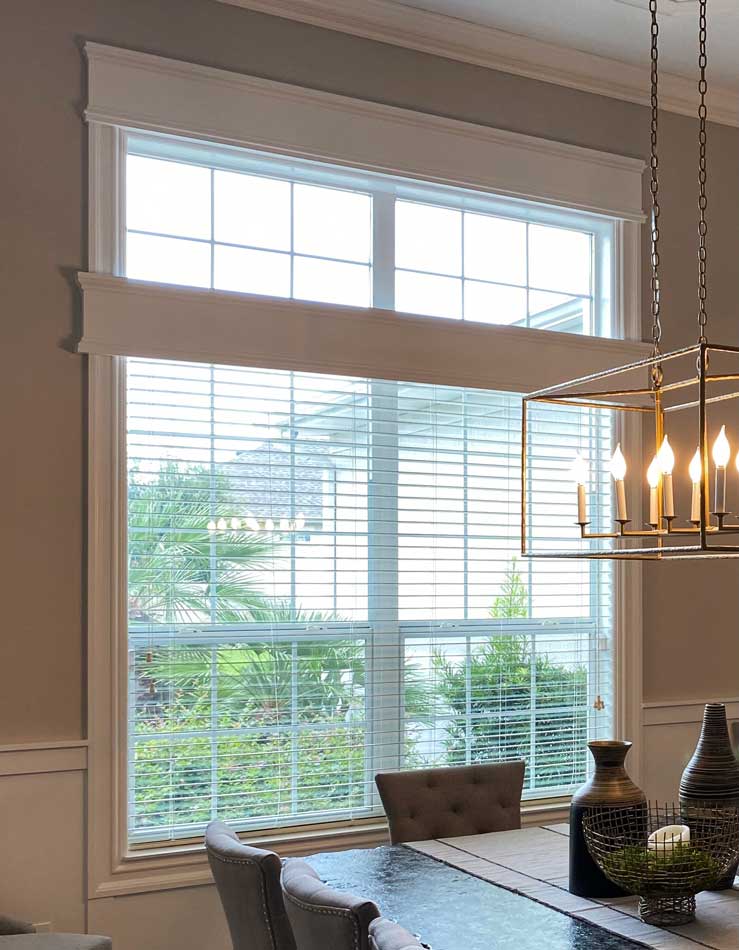
Casement molding is the trim that frames doors and windows, giving each opening a clean and finished look. It works like a picture frame, drawing attention to the shape of the opening and creating a smooth transition between the wall and the window or door by hiding the seam where the two meet. Casement molding can be simple or decorative. Some people prefer a streamlined modern profile while others choose a more detailed traditional style. It is an easy place to show personal taste, and the style you select becomes part of the room’s character.
• Headers
A header is a horizontal molding assembly placed above a door or window to finish the top of the opening and give it a more architectural presence. It draws the eye upward, which makes the door or window feel taller and more prominent in the room.
• Wainscot
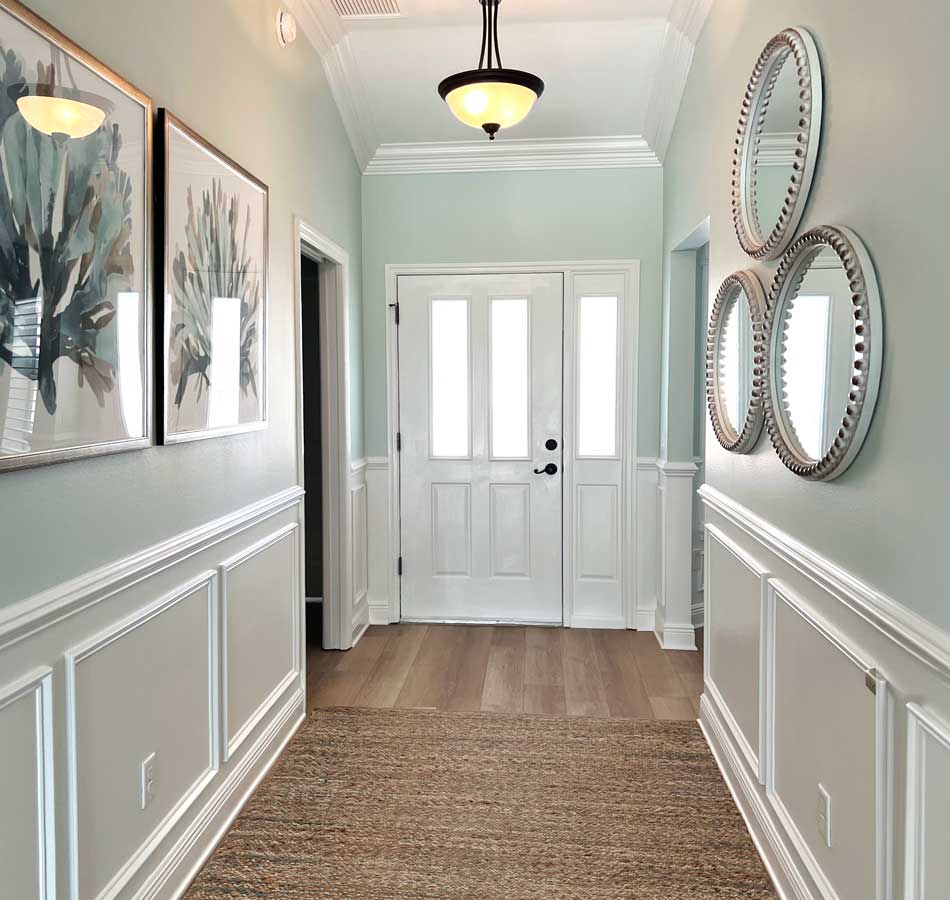
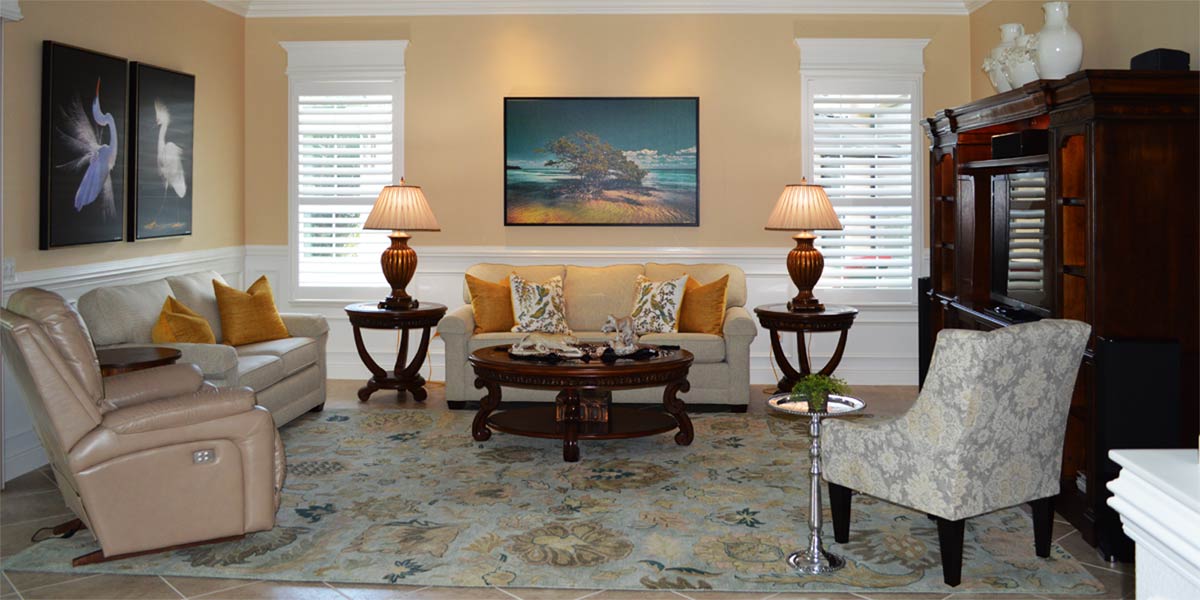
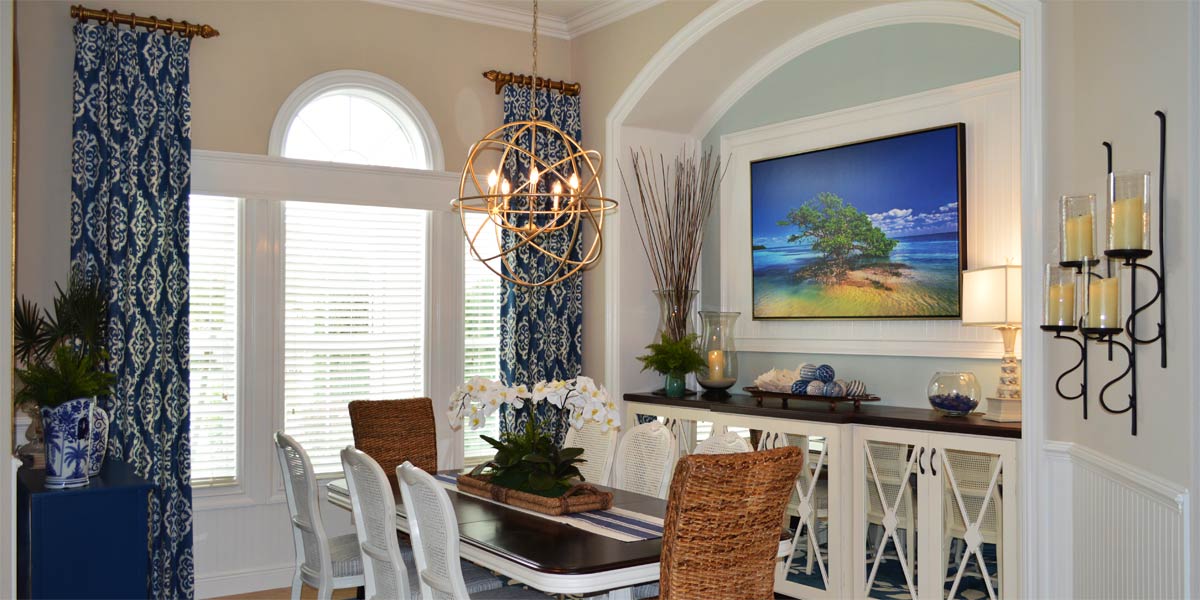
Wainscot is the general term for wood or paneling installed on the lower portion of a wall, usually covering anywhere from half to three quarters of the height. The style can vary widely, which is why there are so many different interpretations of it. Some homeowners prefer traditional rounded boards while others choose a clean flat stock look. In most homes we set the wainscot at about forty inches from the floor, but it can be installed higher when you want it to make a stronger visual impact in the room.
A simple way to save money on wainscot is to use the existing wall as the backer and apply boards directly on top of the wall to create the pattern. Once everything is painted white, it looks like authentic wainscot and gives the space the same crisp architectural definition.
• Applied molding
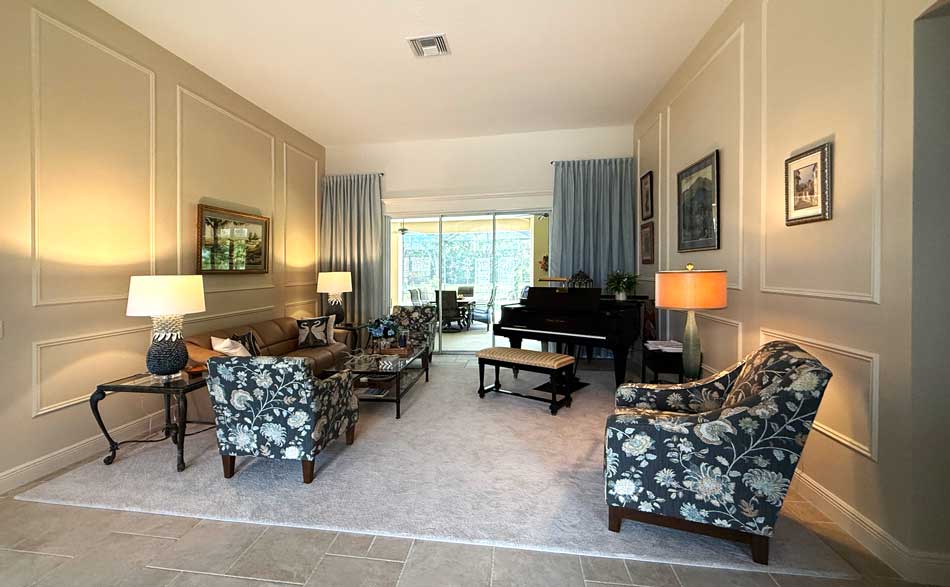
Applied molding has become very popular as homeowners look for ways to add interest to plain walls without the cost of traditional millwork. It offers the look of custom architectural detail at a fraction of the price, which is why so many people are choosing it. Applied molding is simply a decorative trim piece that is glued and pinned onto the flat surface of a wall, door, or cabinet. This creates depth, texture, and the appearance of raised panels without needing thick or complex construction. With basic skills, you can transform a room using simple applied molding patterns. Inspiration is easy to find across social media and design sites, and the variety of styles makes it accessible for any home. If you are curious how it would look in your own space, you can even ask AI to visualize applied molding on your walls before you begin the project.
• Crown molding
Crown molding is installed where the wall meets the ceiling, and it draws the eye up creates a finished transition. It comes in profiles ranging from simple to ornate. For ceilings nine feet and higher, a seven-inch crown creates the right sense of scale, while five and a quarter inch is ideal for eight-foot ceilings. Every room benefits from crown molding, but if you ever had to choose between crown and casement molding, casement should come first. Finished window casings shape the room at eye level, and it is always more important to address what falls within your sightline before focusing on what you see when you look up.
• Ceilings
Ceilings are often called the fifth wall, and giving attention to that surface has become increasingly popular. Homeowners have embraced everything from classic beadboard to fully customized designs, and the possibilities continue to grow. Many of my customers have transformed their lanais with beadboard or simple board and batten.
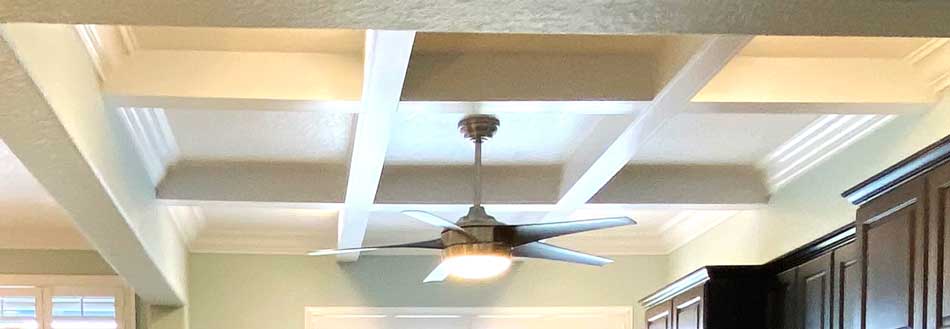
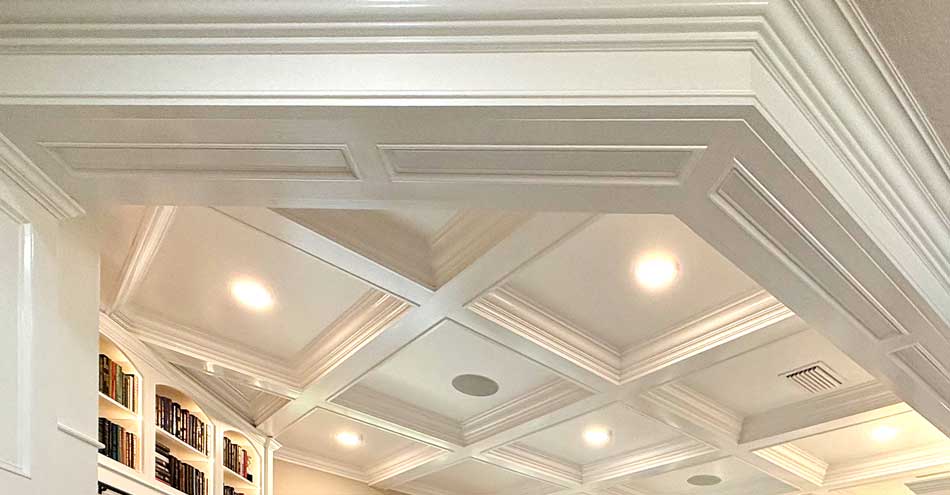
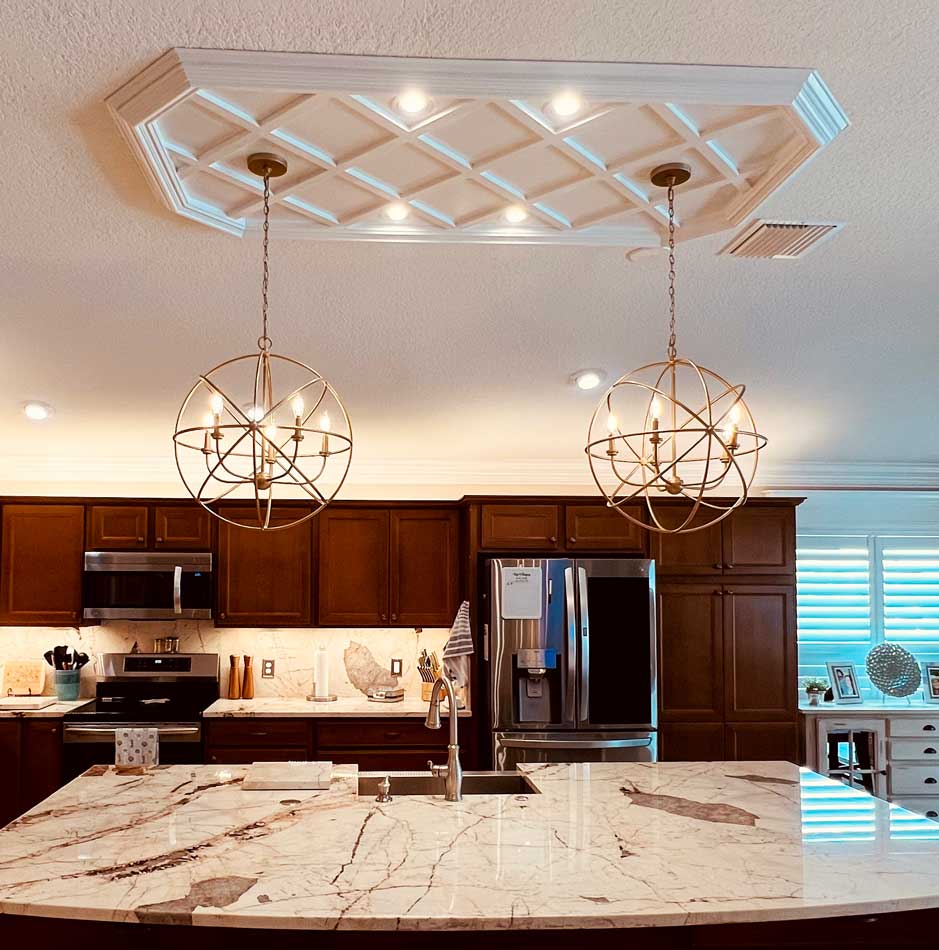
Beadboard is especially useful because it can hide a multitude of imperfections and it covers popcorn ceilings completely. Customized treatments over kitchen islands are a wonderful way to highlight that space, and for those who want a more elevated look, coffered ceilings offer endless options. A coffered ceiling is made up of recessed panels framed by beams or trim, and the pattern can be square, rectangular, or more decorative depending on the style you want to achieve.
• Little by Little
Homeowners can use molding to transform and elevate their spaces, but it helps to remember that Rome was not built in a day. Trying to plan every room at once can feel overwhelming, and it often leads to rushed decisions. Focusing on one space at a time protects your budget and your peace of mind. It also gives you room to think, and let each idea develop before moving on to the next.
Call Ruth your full service decorator at: 352-804-2056
or Contact Us
After Images Below